Journal of Robotics & Mechanical Engineering |
Lupine Publishers
 |
Smart Robotics for Smart Healthcare
|
The technological advances in ICT, IoT and robotics have enabled
development of specific, optimal service-based solutions for
many societal issues and problems. Notably in the recent times smart,
service-enabled robotics are being applied to impart smart
healthcare solutions in healthcare domains like complex surgeries,
elderly care, assistive technologies, patient care at home to name
a few. This paper is devoted to highlighting how smart robotics is being
and can be applied for delivering smart healthcare in varied
healthcare perspectives and domain.
Keywords: Intelligent Robotics, Smart robotics, Healthcare, Assistive Technologies
Robotics in healthcare holds the potential to aid a number
of practices and tasks[1]. Robots can be used to aid people with
cognitive, sensory and motor impairments [2]. They can also
act as caregivers to ill, injured or elderly people [3]. They are
also being utilized in performing complex surgeries in a trained
manner [4]. Since long they have also been used to go inside
the human body and scan for varied ailments etc. Robots are
physically embodied machines that allow precise and real-time
movement of instruments and perform functions in an accurate
manner eradicating chances of human error [2]. Advancements in
technology especially the proliferation of IoT based solutions has
transformed a normal human life into smart living through creation
of smart environments, smart homes and smart cities [5,6].
Advancements in medical sciences have further created avenues
for smart healthcare solutions [7]. This manuscript gives a brief
overview of how robotics is been used to enable smart healthcare
to improve human life.
Advances in Healthcare Robotics
Robotics in the present times has proliferated by leaps and
bounds delivering successful, precise services and solutions in a
number of domains [2]. Robotics with IoT has even transformed
healthcare and opened numerous avenues. Some of its key focus
areas include: surgical and interventional robotics, rehabilitative
robotics, clinical workforce support, elderly and people with
disability care, assistive living etc [1], [7–10]. Human Surgery has
typically witnessed phenomenal changes with the introduction
of robotic surgery [2]. Robots are being successfully applied for a
number of surgical operations as depicted in Figure 1 below:
Figure 1: Types of Robotic Surgery. .
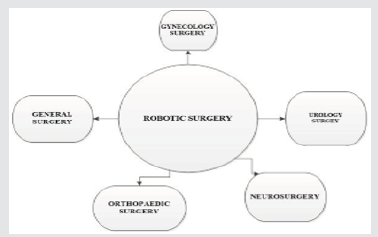
Figure 1 above highlights the different avenues where robots
have guided and performed minimally invasive surgeries [2].
Intuitive Surgical da Vinci robot has reportedly performed
successful surgeries on almost 3 million patients worldwide [4].
They are being successfully used in neurosurgery to examine brain
lesions without causing any major damage to the adjacent tissue.
In orthopaedic surgeries robots shape the femur to fit prosthetic
hip joint replacement with accuracy. With increased life expectancy
due to better standards of living a growing demand has unfolded
for assistive technologies, healthcare facilities and professionals to
provide simple, affordable healthcare services to elderly people or
people with disability in an unobtrusive manner. An IoT enabled
solution to this demand has emerged in the form of smart homes
equipped with wearable medical sensors, actuators and modern
IT solutions [5]. ORCATECH Life Laboratory is one such in-house
health monitoring solution [2]. Another requirement of trained
health professional to provide look after and care to such patients
has also been substituted by care bots to provide companionship or
look after to patients [11].
Challenges in Healthcare Robotics Adoption
The advances in healthcare robotics are promising. However
it is essential to still note some challenges in the domain and
discuss how to overcome them. First and most importantly safety
and reliability are critical to healthcare. There need to be efforts
to ensure safe and gentle human-robot interactions. This especially
needs to be taken care of when patients involved may be people
with cognitive disabilities of kids. The next major challenge can be
attributed to usability and acceptability of robots by clinicians as
well as end users. This demands appropriate technical awareness
and training. Only effective awareness, knowledge and training of
all stakeholders involved in effective usage of healthcare robots can
ensure successful usage of these robots. Another major limiting
factor can be cost which includes their purchase, maintenance as
well as training costs. Robot manufacturers should aim at devising
techniques to manufacture and distribute well-trained and tested
robots at the optimal possible costs.
Conclusion
Healthcare robotics has witnessed promising advances in the
recent years. Their usage has also carved many successful stories
validating their usage and application. However, how much they will
be integrated into the lives of primary beneficiaries still remains
unknown as this would be decided by a number of regulating
environmental factors which may vary on a case to case basis as the
beneficiaries involved are humans.
https://lupinepublishers.com/robotics-mechanical-engineering-journal/fulltext/smart-robotics-for-smart-healthcare.ID.000121.php


